Money in Morocco
Money in Morocco: what you need to know before you go.
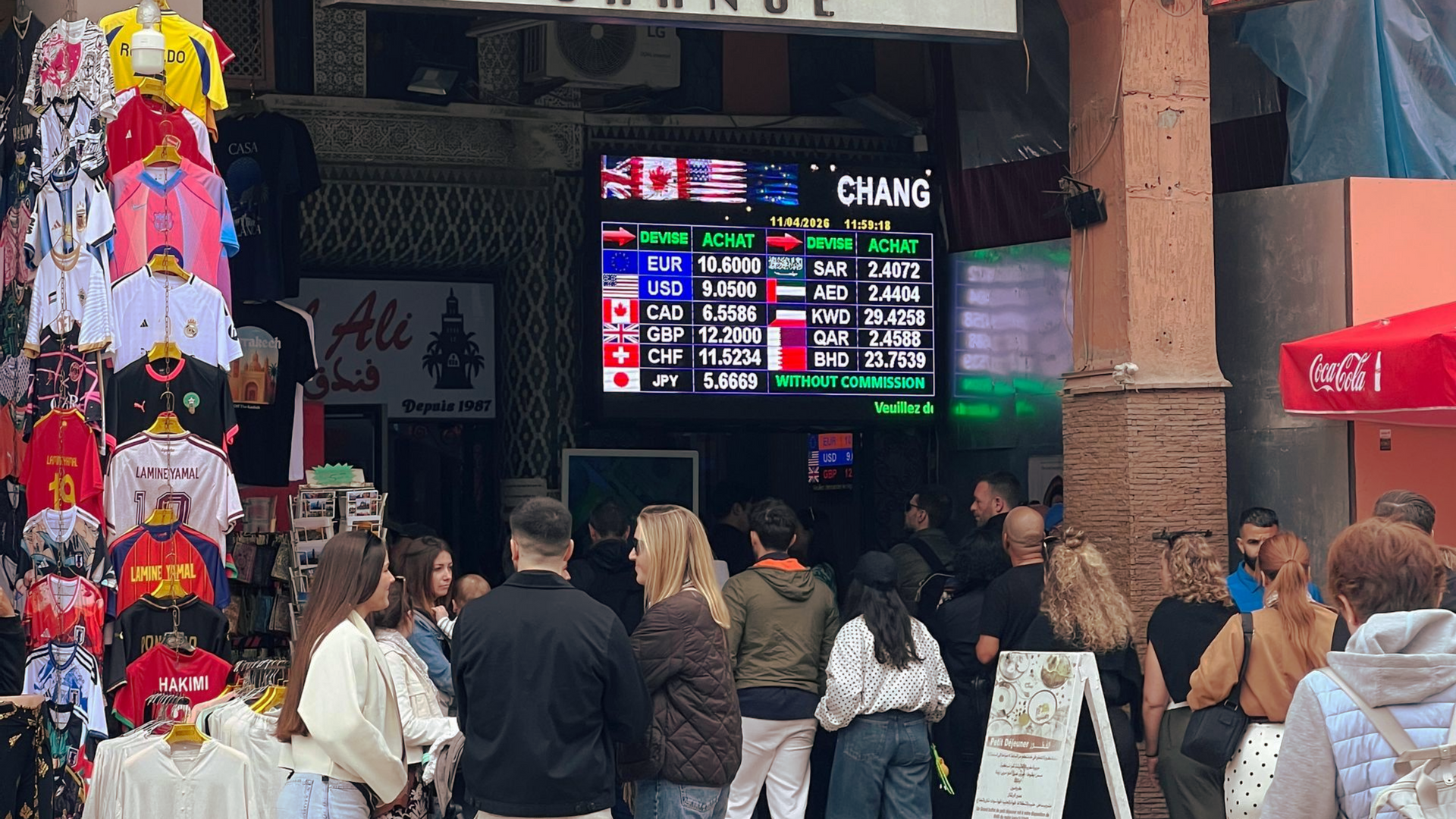
Money in Morocco: What Every Traveler Needs to Know
One of the most common questions travelers ask before visiting Morocco is, “How do I handle money while I’m there?”
The good news is that managing money in Morocco is relatively straightforward once you understand how the system works. A little preparation before your trip can help you avoid unnecessary fees, ensure you always have access to cash, and make your travels much smoother.
Understanding Morocco’s Closed Currency System
Morocco operates with a closed currency, meaning the Moroccan Dirham (MAD) cannot be freely imported or exported in significant amounts. Unlike the Euro or U.S. Dollar, the Dirham is not widely traded outside of Morocco.
Because of this, it can be difficult—or impossible—to obtain Moroccan Dirhams from your local bank before departure. Most travelers exchange money after arriving in Morocco.
Don’t worry; obtaining local currency is easy once you land.
Cash Is Still King in Morocco
While Morocco is modernizing rapidly, much of the country still operates on a cash basis.
You can generally use credit cards at:
- Most larger hotels
- Many riads
- Upscale restaurants
- Major retail stores
- Larger tour companies
However, not every establishment accepts cards.
Many smaller businesses prefer cash, including:
- Family-owned riads and guesthouses
- Local restaurants and cafés
- Independent guides and drivers
- Taxis
- Souk merchants
- Small shops and artisan cooperatives
Before booking accommodations, tours, or transportation services, always confirm what forms of payment are accepted. It is not uncommon to discover that a business accepts only cash upon arrival.
Getting Money When You Arrive
Exchange a Small Amount at the Airport
Upon arrival in Morocco, it’s wise to have a small amount of local currency available for immediate expenses such as tips, snacks, taxis, or small purchases.
Most Moroccan airports have currency exchange kiosks located in the arrivals area. These are convenient but typically offer less favorable exchange rates than ATMs.
The Best Option: Use an ATM
For most travelers, withdrawing cash from an ATM after arrival is the easiest and most cost-effective method.
Benefits include:
- Competitive exchange rates
- Convenience
- No need to carry large amounts of cash from home
- Widely available throughout Morocco
- Most travelers find that ATM withdrawals provide a better exchange rate than airport exchange counters.
Are Moroccan Banks and ATMs Safe?
Yes.
Morocco’s banking system is modern, reliable, and well-regulated. Major banks can be found throughout the country, including in smaller cities and tourist destinations.
Most visitors experience no problems using their debit cards at Moroccan ATMs.
Some of the major Moroccan banks include:
- Attijariwafa Bank
- Banque Populaire
- Bank of Africa
- Crédit du Maroc
- Société Générale Maroc
Their ATM networks are extensive and generally dependable
.
Tips for Using ATMs Safely
While ATM usage in Morocco is generally very safe, it’s always smart to follow basic precautions:
- Use Bank-Owned ATMs
Whenever possible, withdraw cash from ATMs attached to a bank branch rather than standalone machines.
- Notify Your Bank Before Traveling
Some banks automatically flag foreign transactions as suspicious. Let your bank know you’ll be traveling in Morocco to avoid having your card blocked.
- Bring More Than One Card
Carry a backup debit or credit card in case your primary card is lost, damaged, or declined.
- Keep Cards Secure
Store your cards in a secure location and avoid carrying all of your cash and cards together.
- Check for ATM Fees
Your home bank may charge international withdrawal fees, so it’s worth checking before you travel.
- How Much Cash Should You Carry?
Morocco is generally a safe country, but there is no reason to carry large amounts of cash.
A good practice is to withdraw enough for a few days at a time and keep the remainder securely stored in your accommodation’s safe when available.
Many experienced travelers find that having the equivalent of $50–$150 USD in cash on hand at any given time is sufficient, depending on their travel style.
- What About Credit Cards?
Visa and Mastercard are widely accepted at larger establishments.
American Express is less commonly accepted.
Even if you plan to use credit cards frequently, always keep some cash available for:
- Taxis
- Small restaurants
- Market purchases
- Tips
- Rural areas
- Smaller guesthouses
A combination of a credit card and local cash provides the greatest flexibility.
Shopping in the Souks
If you’re planning to shop in Morocco’s famous souks, cash is often preferred and may even help you secure a better price.
Negotiation and bargaining are part of the shopping culture in many traditional markets. We’ll cover the art of shopping and negotiating in the souks in a future article.
Final Thoughts
Managing money in Morocco is easier than many travelers expect. The key is understanding that Morocco operates largely as a cash-based society and that the Moroccan Dirham is a closed currency.
Our recommendation is simple:
- Withdraw a small amount of cash from an airport ATM upon arrival.
- Use bank-owned ATMs throughout your trip.
- Carry a backup card.
- Confirm payment methods before booking accommodations, tours, or transportation.
- Always keep some cash available, even if you plan to use credit cards.
With a little preparation, you’ll be ready to focus on what matters most—enjoying Morocco’s incredible culture, hospitality, landscapes, and unforgettable experiences.
Happy travels!
Michelle in Morocco
Thoughtfully curated Moroccan Experinces