What should I wear in Morocco ?
What should I wear in Morocco ?
What to Wear While Traveling in Morocco: A Practical Guide for Visitors
One of the most common questions we receive at Michelle in Morocco is, “What should I wear while visiting Morocco?”
The good news is that Morocco is a welcoming and diverse country, and there is no strict dress code for visitors. However, understanding local customs and dressing respectfully will not only help you feel comfortable but will also enhance your experience and interactions with the people you meet along the way.
Morocco is Modern and Traditional
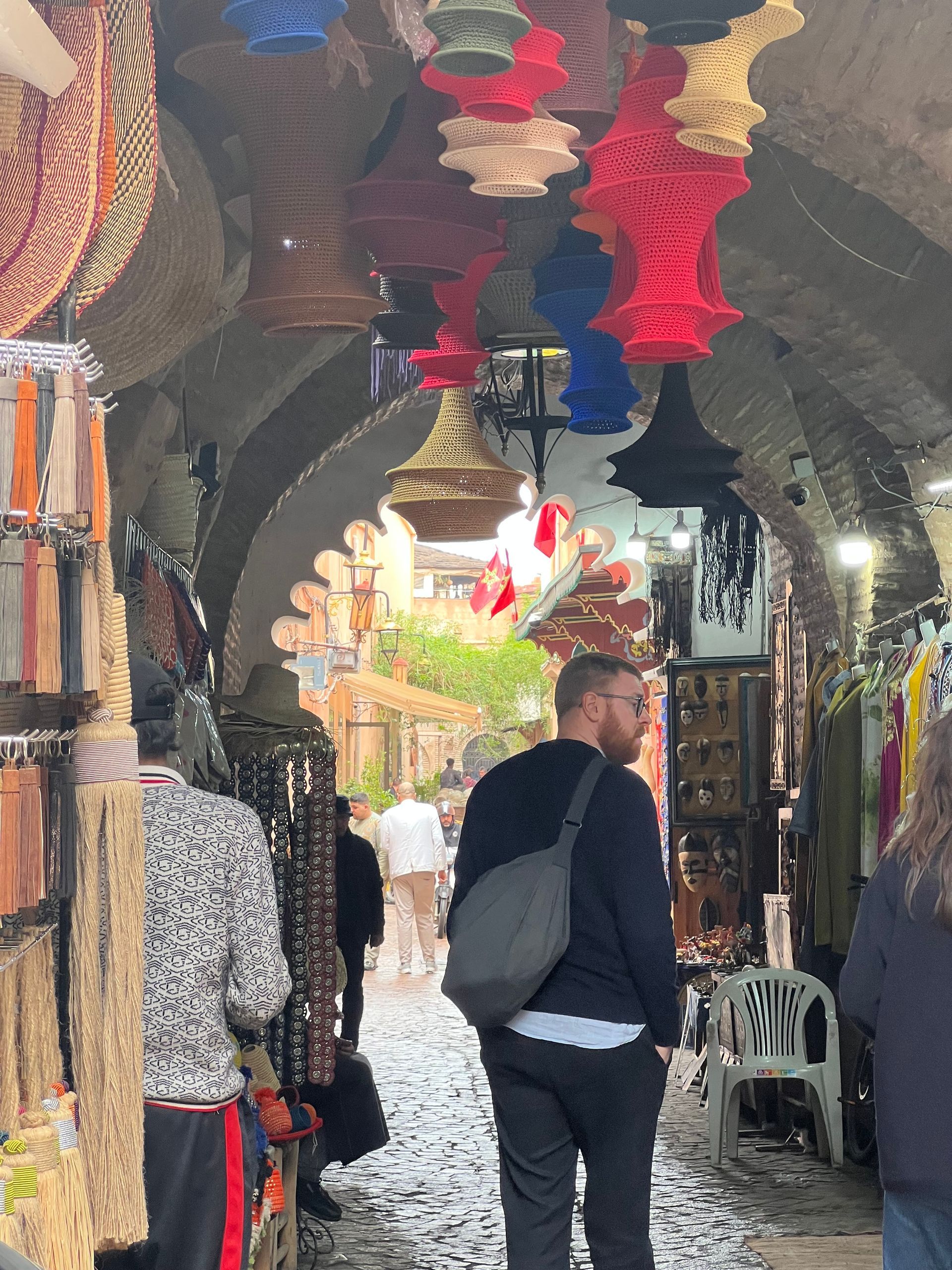
Morocco is a fascinating blend of old and new. In larger cities such as Marrakech, Casablanca, Rabat, and Tangier, you’ll see a wide variety of clothing styles, from traditional djellabas to modern Western fashion. In smaller towns and rural areas, people tend to dress more conservatively.
As a visitor, you are not expected to dress like a local, but choosing clothing that respects local customs is always appreciated.
For Women
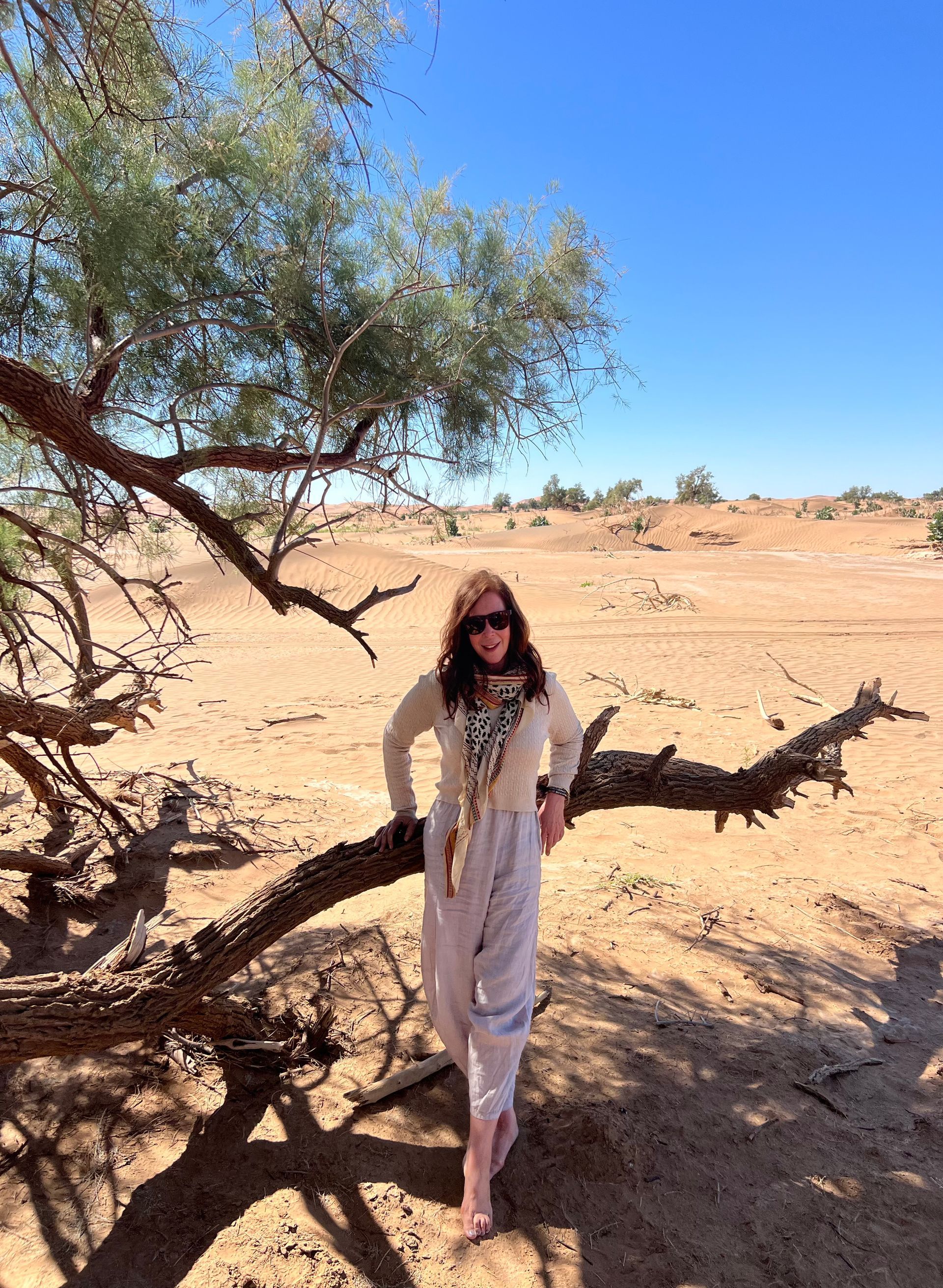
We generally recommend lightweight, loose-fitting clothing that covers the shoulders and knees, especially when visiting medinas, villages, religious sites, or rural areas.
Great options include:
- Maxi dresses and skirts
- Lightweight pants or linen trousers
- Flowy tops with sleeves
- Tunics and comfortable blouses
- A lightweight scarf for added coverage when needed
Many women are surprised to discover that dressing a bit more conservatively in Morocco can actually be more comfortable. It offers protection from the sun, helps you blend in, and often reduces unwanted attention.
For Men
Men will feel comfortable in:
- Lightweight pants or chinos
- Shorts that are near knee-length in tourist areas
- Polo shirts, t-shirts, and button-down shirts
- Comfortable walking shoes
While shorts are common in tourist destinations, long pants are often preferred when visiting villages, cultural sites, or more traditional communities.
What About the Desert?
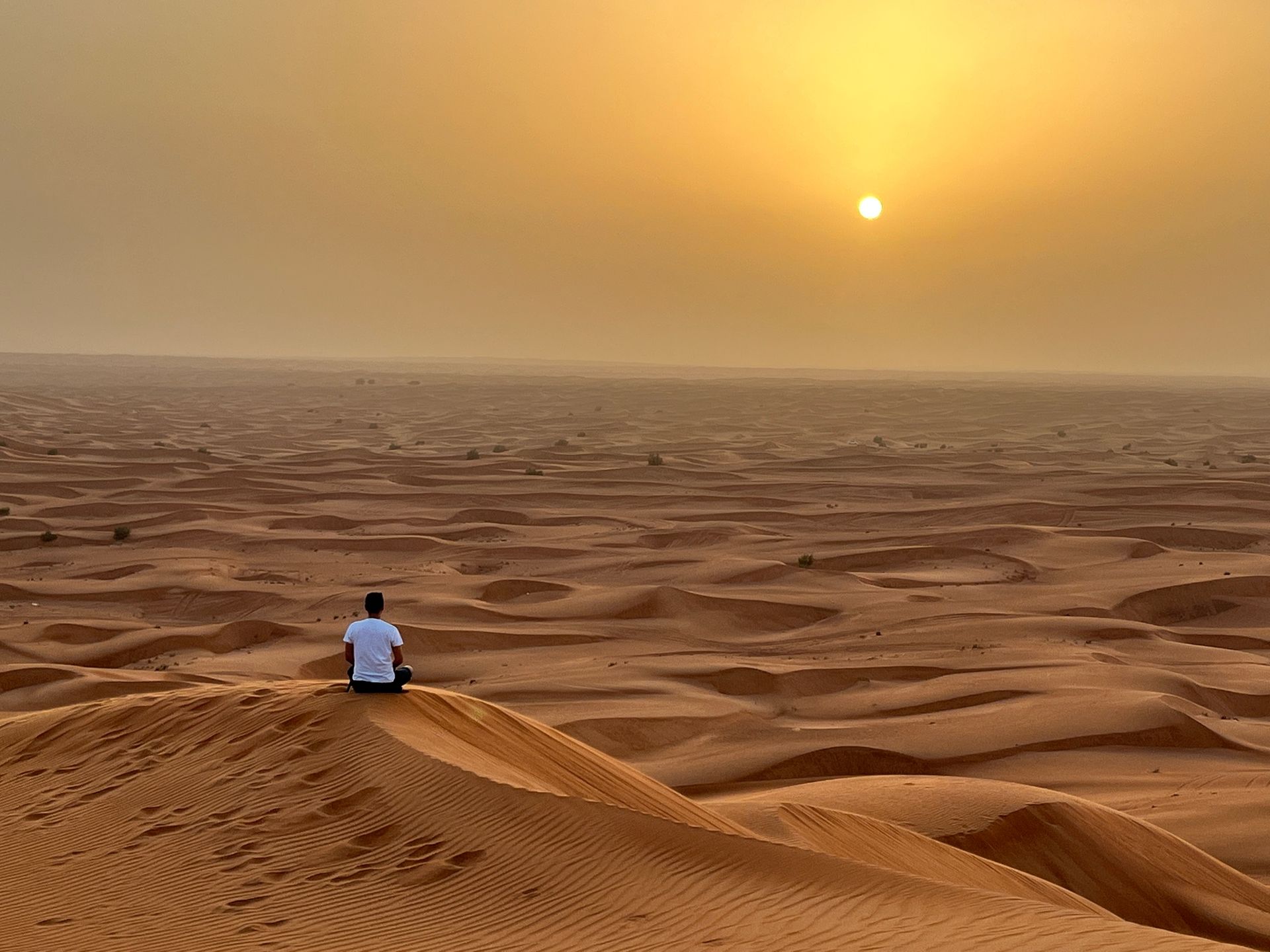
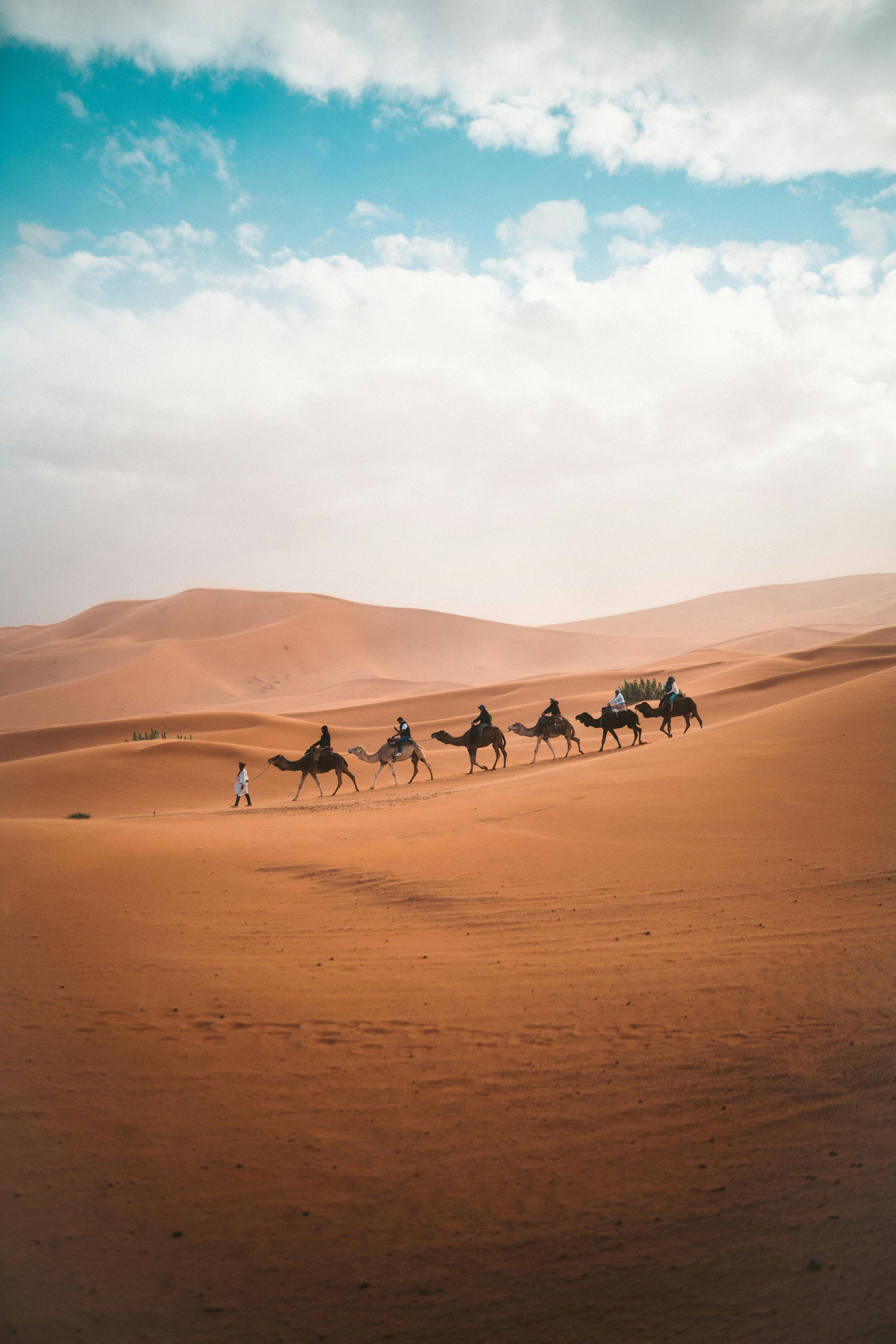
The Sahara Desert can be warm during the day and surprisingly cool after sunset.
We recommend bringing:
- Lightweight layers
- A fleece or light jacket for evenings
- Comfortable walking shoes
- Sunglasses
- A hat for sun protection
- Sunscreen
Even during warmer months, many travelers are glad they packed an extra layer for evenings around the campfire under the stars.
Visiting Mosques and Religious Sites
Most mosques in Morocco are not open to non-Muslim visitors, with the exception of places such as the magnificent Hassan II Mosque in Casablanca.
When visiting religious or sacred sites, modest attire is recommended. Covering shoulders and knees is considered respectful for both men and women.
Seasonal Considerations
Morocco’s climate varies greatly by region and season.
Spring and Fall
Perhaps the most comfortable times to visit. Light layers work well as temperatures can vary throughout the day.
Summer
Expect hot temperatures, especially in Marrakech and the Sahara. Breathable fabrics such as linen and cotton are your best friends.
Winter
Days can be pleasant, but mornings and evenings can be chilly. The Atlas Mountains may even receive snow, so warm layers are essential.
The Most Important Thing
The key to dressing in Morocco is comfort, practicality, and cultural awareness. You don’t need to overhaul your wardrobe or dress exactly like a local. A little mindfulness goes a long way and often leads to warmer interactions and a deeper appreciation of Moroccan culture.
At Michelle in Morocco, we believe travel is about connecting with people and experiencing a destination with curiosity and respect. Dressing appropriately is simply one small way to honor the beautiful culture and traditions that make Morocco so special.
Planning a trip to Morocco? We’d love to help you create a thoughtfully curated Moroccan experience filled with culture, hospitality, and unforgettable memories.